Demolition Done Right: Techniques and Technologies
The world of demolition has evolved significantly, moving from the brute force of wrecking balls to precise, environmentally-friendly practices. This transformation reflects not just advances in technology but also a growing awareness of demolition's impact on the environment and the importance of sustainable practices.
Overview of Demolition Methods
- Manual Demolition: Often used for smaller structures, this method involves handheld tools. It's labor-intensive but offers control over material salvage.
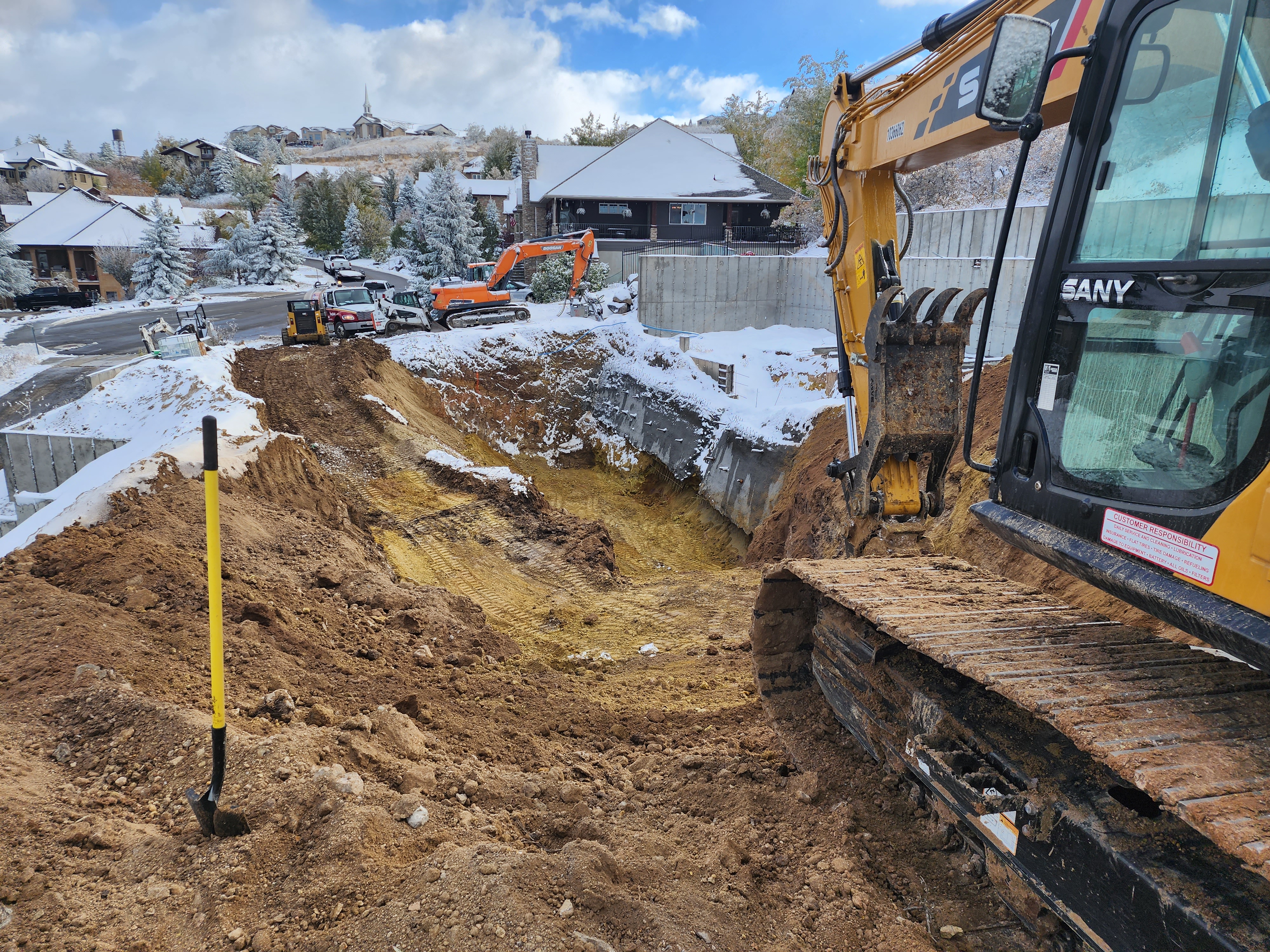
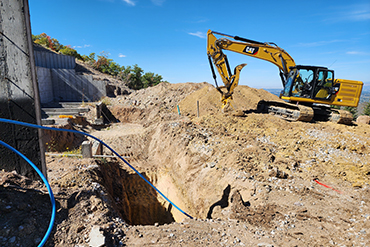
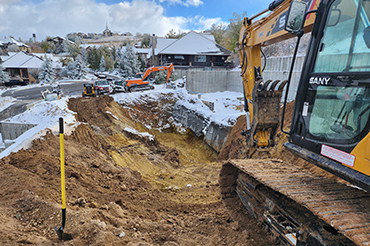
- Mechanical Demolition: Utilizes heavy machinery, such as excavators and bulldozers. It's efficient for larger buildings, though less precise than other methods.
- Implosion: A dramatic method that uses explosives to collapse a building inward. It requires meticulous planning and is used selectively for tall structures in urban areas.
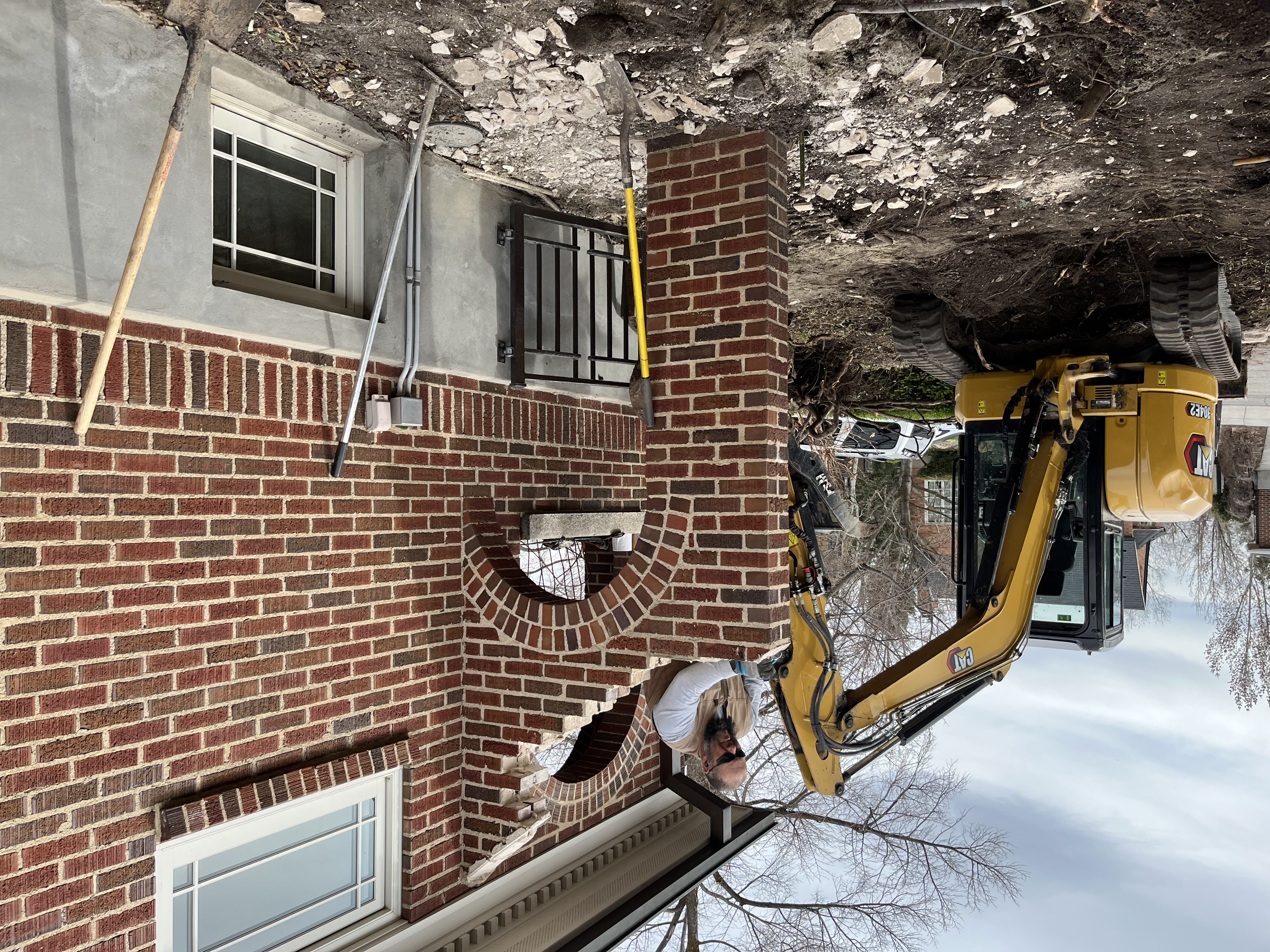
- Selective Demolition: Focuses on dismantling specific parts of a building while preserving the rest. This method is essential for renovation projects and promotes material reuse.
Environmental Considerations and Recycling Materials
Demolition is not just about tearing down structures; it's also about what happens to the debris. The industry faces pressure to minimize landfill waste and maximize material recovery. Concrete, metals, wood, and even fixtures are sorted and recycled. This section can delve into the processes of sorting, processing, and repurposing materials, highlighting the benefits of reducing construction waste.
Case Studies of Successful Demolitions
- Historic Building in City Center: Detail a project where selective demolition and implosion were combined to preserve a historic facade while demolishing unsafe structures behind it.
- Stadium Demolition: Discuss the complex planning and phased demolition of a large stadium, focusing on crowd safety, noise control, and material recycling.
- Industrial Complex Clearance: Showcase an industrial site's transformation, emphasizing the removal of hazardous materials, machinery salvage, and site remediation for future use.
The Future of Demolition Technology
Innovation in demolition technology is focused on increasing safety, efficiency, and sustainability. Robotics, for example, is playing a growing role, with remotely operated machines working in hazardous conditions. Advanced materials processing technologies are making recycling more efficient, and digital tools are improving planning accuracy. The future of demolition lies in integrating these technologies to minimize environmental impact while maximizing safety and material recovery.
Conclusion
As we look towards the future, the demolition industry continues to evolve, embracing new technologies and methods that align with environmental sustainability goals. By learning from past projects and innovating for future needs, the sector is set to play a critical role in the life cycle of construction, paving the way for new developments on the foundations of the old.