Site Preparation: Laying the Foundation for Success
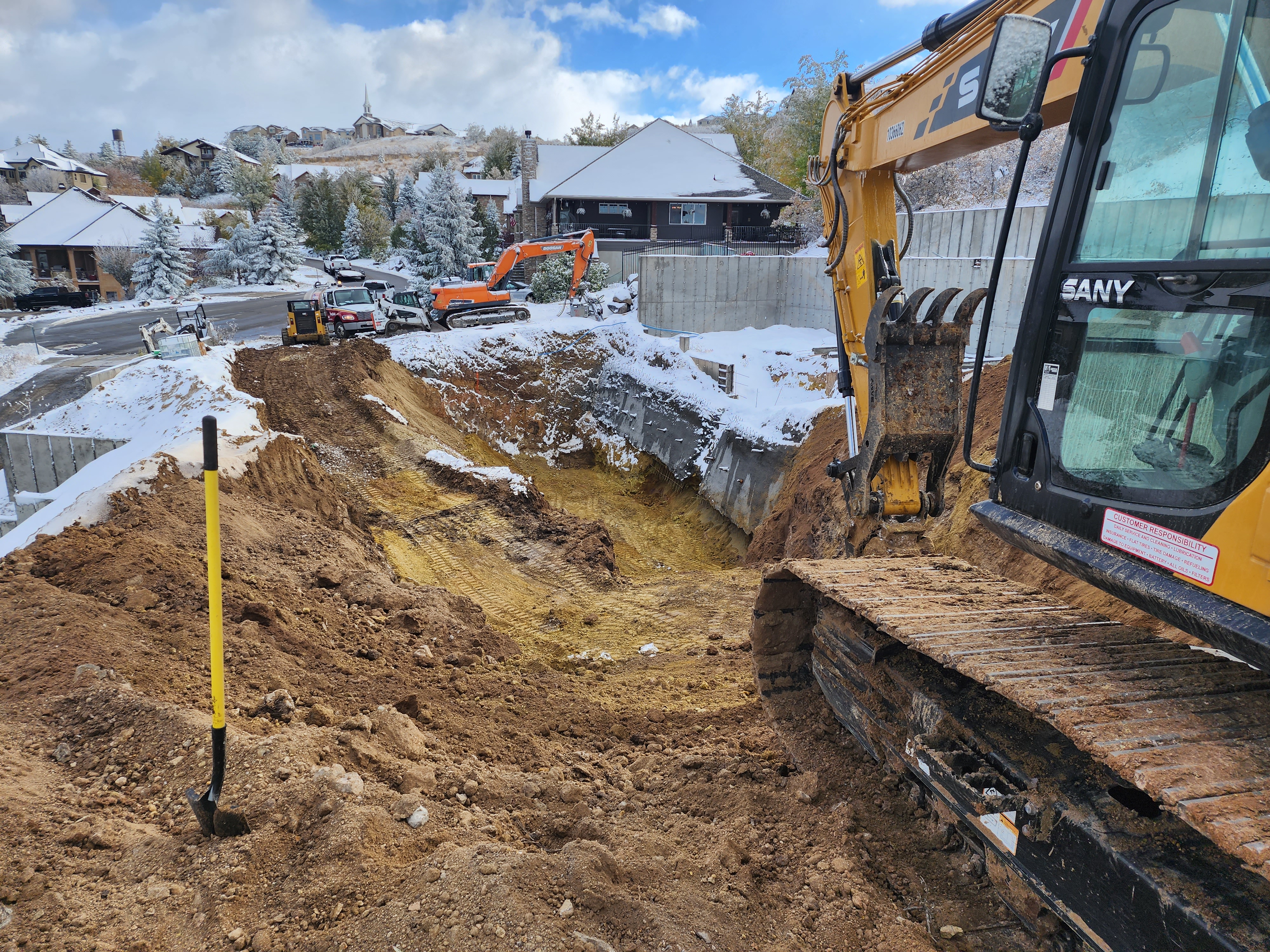
Begin with the assertion that every successful construction project starts from the ground up, literally. Emphasize that the integrity of any building lies in its foundation, which is why site preparation is critical. Introduce site preparation as the first step in the construction process, setting the stage for the entire project.
Importance of Site Preparation
Explain that proper site preparation:
- Ensures the stability of the foundation.
- Helps avoid costly delays and modifications.
- Is crucial for safety during and after construction.
- Highlight a few instances where insufficient site preparation led to problems down the line, underscoring the importance of getting this phase right.
Steps and Processes Involved
Break down the site preparation process into key steps, providing a detailed explanation of each:
- Site Investigation: Assessing soil, topography, and any existing structures or utilities.
- Clearing and Grubbing: Removing vegetation, debris, and any obstacles from the site.
- Soil Testing: Determining the soil's properties to inform foundation design.
- Leveling and Grading: Ensuring the site is level and properly graded for drainage.
- Compaction: Compacting the soil to provide a stable base for the foundation.
- Setting Out: Marking the dimensions of the construction on the ground.
Include insights on how each step is critical to preparing the site for construction and ensuring the long-term success of the project.
Challenges and Solutions
Discuss common challenges faced during site preparation, such as:
- Unstable soil conditions.
- Waterlogging or poor drainage.
- Unexpected underground utilities or remnants of previous structures.
- Environmental and regulatory hurdles.
- For each challenge, propose solutions or best practices that construction professionals use to address these issues, such as soil stabilization techniques, advanced drainage systems, and the use of ground-penetrating radar for surveying.
Impact on Overall Project Success
Draw connections between thorough site preparation and the broader success of construction projects. This might include:
- Reduced risk of foundation failures and structural issues.
- Improved efficiency and adherence to project timelines.
- Lower overall project costs by avoiding unexpected issues.
- Use case studies or hypothetical scenarios to illustrate how investing time and resources in site preparation can save money and headaches in the long run.
Conclusion
Conclude by reiterating the critical role of site preparation in construction. Emphasize that while it may seem like a preliminary step, its impact echoes throughout the lifespan of the building, affecting everything from structural integrity to project timelines and budget.