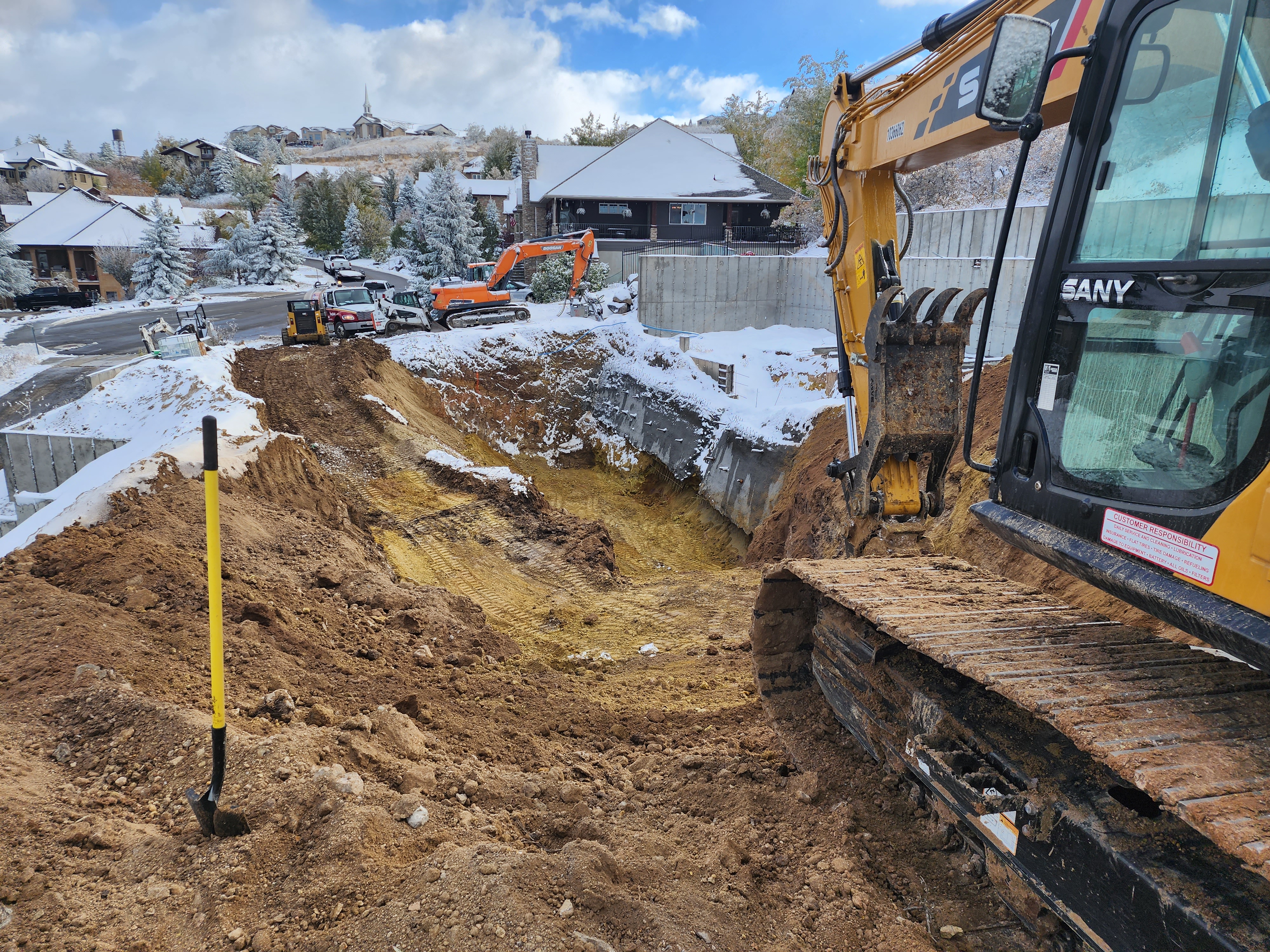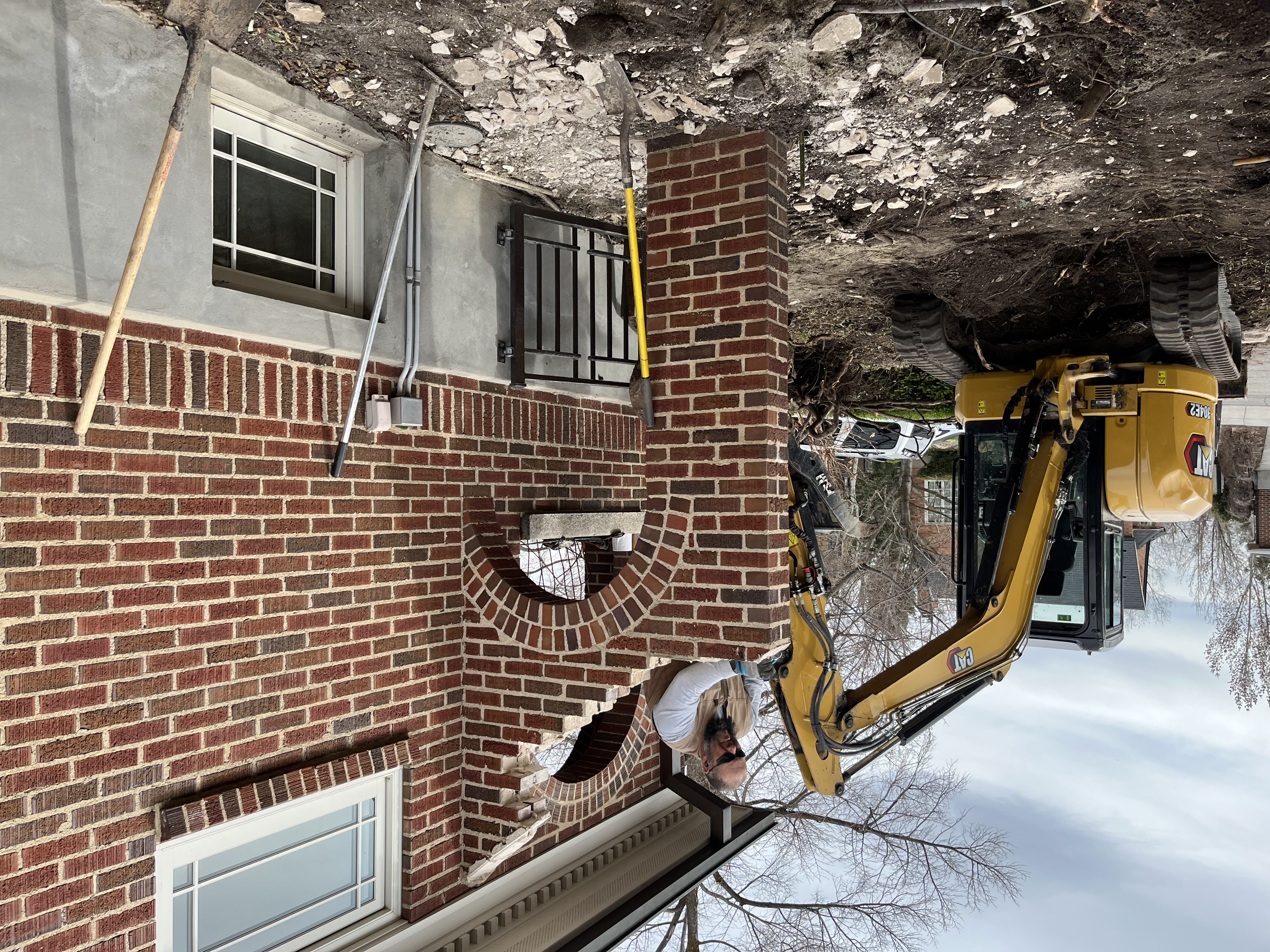
The Evolution of Construction: From Ancient Wonders to Modern Marvels
Start with a captivating opening that draws readers into the world of construction, highlighting its importance through the ages. Mention ancient structures like the Pyramids of Giza, the Great Wall of China, and Roman architecture to emphasize the longevity and significance of construction in human civilization.
Key Innovations Over the Centuries
Divide this section into time periods or significant eras in construction history, such as:
- Ancient Times: Focus on materials like stone and mud bricks, and methods used without modern machinery.
- Middle Ages: Introduce the innovations in castle and cathedral constructions, such as the flying buttress.
- Industrial Revolution: Discuss the introduction of steel and concrete, which revolutionized building techniques and allowed for taller structures.
- 20th Century: Highlight the development of skyscrapers, advanced cranes, and the widespread use of reinforced concrete.
Impact of Technology on Modern Construction
This section should explore how modern technology is shaping construction:
- Digital Modeling: The use of Building Information Modeling (BIM) for efficient and precise planning.
- Sustainable Materials: Innovations in eco-friendly materials and practices that reduce environmental impact.
- Automation and Robotics: The role of drones for surveying, robotic arms for building, and potential future applications.
Future Trends
Predict what's next for the construction industry with trends like:
- 3D Printing: Potential for printing entire buildings or complex components on-site.
- Smart Buildings: Integration of IoT devices for smarter, more efficient building management.
- Augmented and Virtual Reality: Use in training and in visualizing projects before construction starts.
Conclusion
Wrap up by reflecting on the journey from ancient methods to future possibilities, emphasizing the construction industry's constant evolution. Encourage readers to imagine how today's innovations might be viewed by future generations.