Expanding Horizons: Effective Techniques for Home Additions
Begin with an overview of the increasing popularity of home additions as homeowners seek to expand their living space without relocating. Highlight the complexity and rewarding nature of these projects.
Planning and Design Considerations
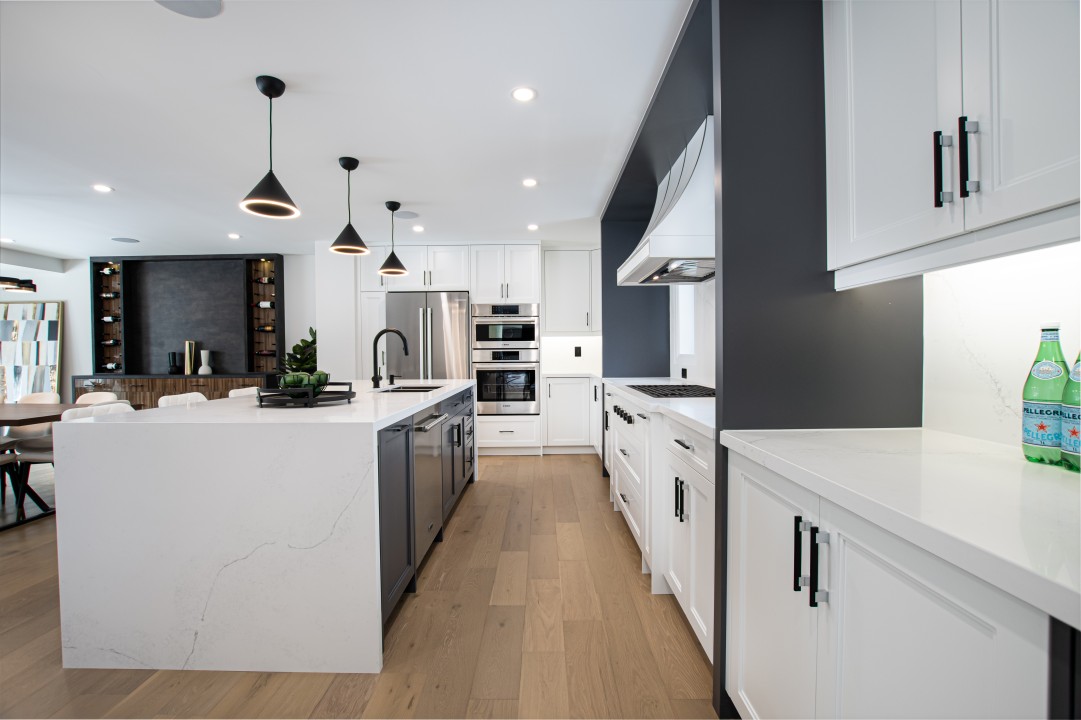
- Understanding Needs: Discuss the importance of homeowners identifying their reasons for an addition (e.g., more bedrooms, a larger kitchen) to guide the design process.
- Zoning and Permits: Explain the necessity of researching local zoning laws and obtaining the necessary permits before starting work.
- Architectural Harmony: Emphasize designing the addition to complement the existing structure’s architectural style.
- Budgeting: Offer insights into realistic budget planning, including a contingency fund for unexpected expenses.
The Excavation and Foundation Process
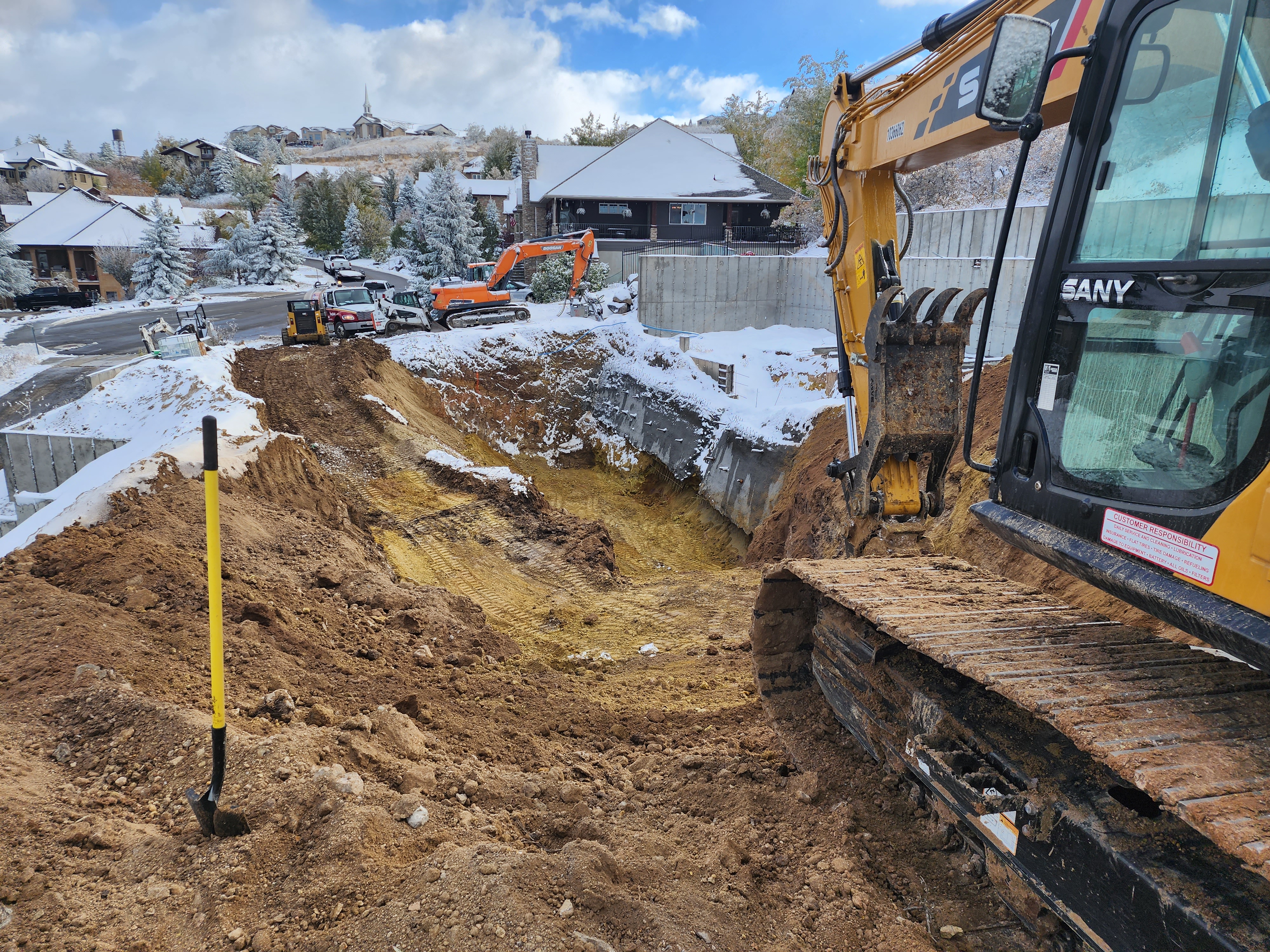
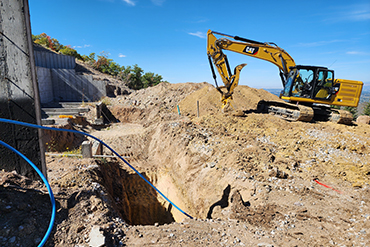
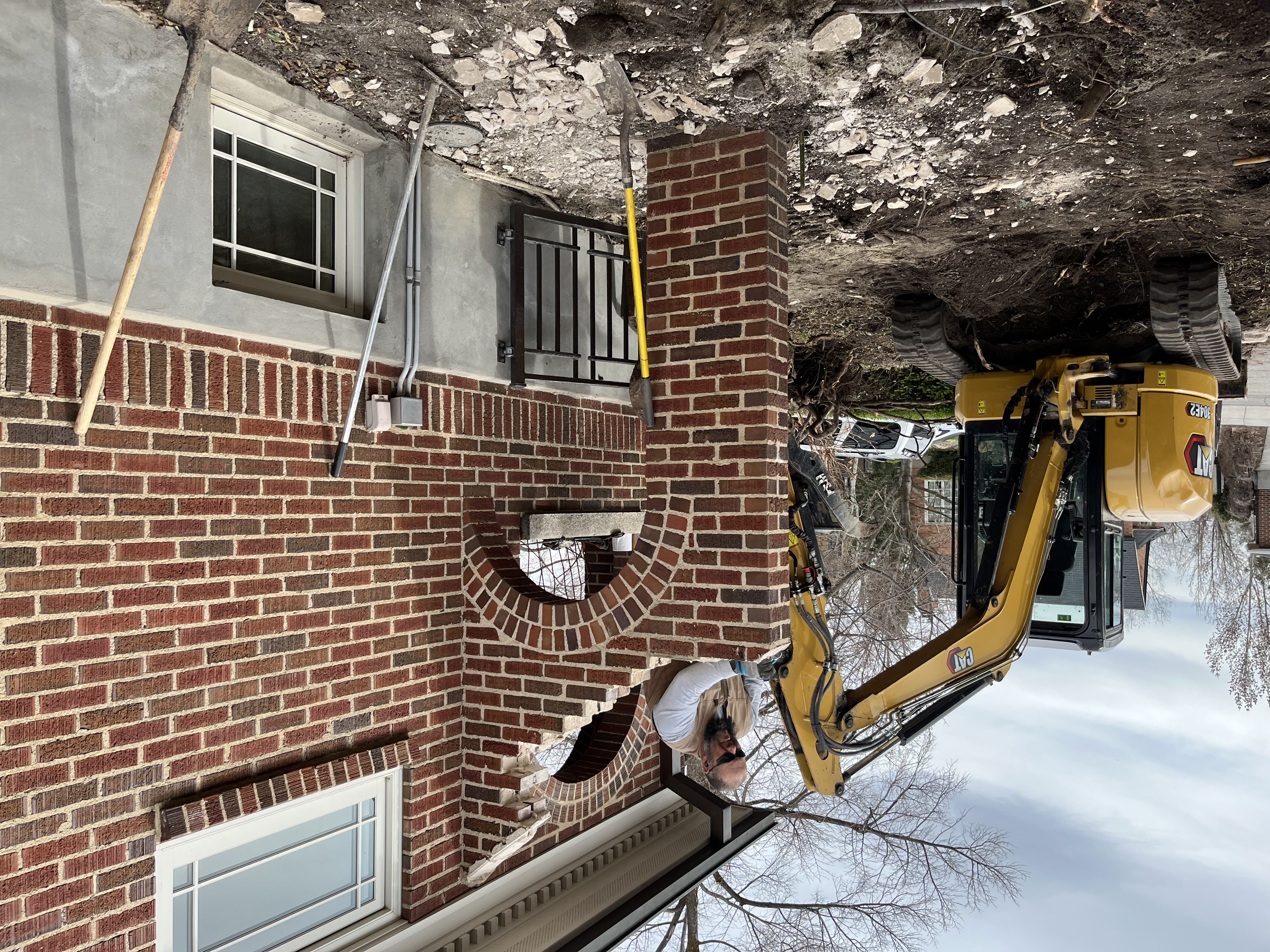
- Site Preparation: Detail the initial steps of clearing the site and preparing for excavation, including utility location and site marking.
- Excavation Techniques: Briefly describe the excavation methods suitable for different soil types and project scales.
- Foundation Choices: Compare foundation types (e.g., slab, crawlspace, basement) and their suitability for various additional projects.
- Waterproofing and Drainage: Highlight the importance of incorporating effective waterproofing and drainage solutions to protect the foundation.
Integrating Additions with Existing Structures
- Structural Integrity: Discuss the challenges of ensuring the new addition does not compromise the existing structure's integrity.
- Seamless Aesthetic Integration: Offer tips on matching exterior materials and interior finishes for a cohesive look.
- Mechanical Systems Integration: Explain the complexities of extending or upgrading HVAC, electrical, and plumbing systems to serve the new space efficiently.
Project Management Tips
- Choosing the Right Contractor: Advice on selecting a contractor with experience in home additions, including vetting processes and checking references.
- Timeline Management: Strategies for creating and maintaining a realistic project timeline.
- Communication: Stress the importance of clear, continuous communication between homeowners, contractors, and design professionals.
- Handling Setbacks: Offer insights on anticipating, managing, and overcoming common project setbacks or delays.
Conclusion
Wrap up by reiterating the transformative potential of home additions when properly planned and executed. Encourage readers to approach these projects with thorough preparation, the right professional support, and flexibility.