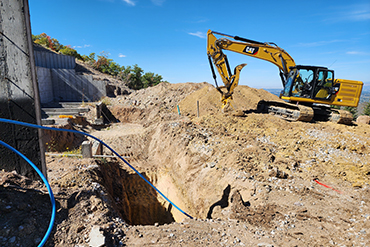
Responding to Crisis: Emergency Repairs in Construction
Begin with an overview of the inevitability of emergencies in the construction industry, highlighting the importance of prompt and effective responses to prevent minor issues from escalating into major crises.
Common Causes of Construction Emergencies
- Natural Disasters: Discuss how events like earthquakes, floods, and hurricanes can damage construction sites or existing structures.
- Accidents and Safety Failures: Outline common accidents, such as falls, equipment failures, or fires, that necessitate emergency repairs.
- Structural Failures: Examine causes of unexpected structural damage, including design flaws, material failures, or foundational issues.
- Vandalism and Theft: Mention how these can disrupt construction progress and require immediate attention.
The Role of a Quick Response Team
- Composition and Training: Describe the makeup of a quick response team, emphasizing the variety of expertise required, from engineers to safety officers.
- Rapid Assessment and Decision Making: Highlight the team's ability to quickly assess damage and decide on the best course of action.
- Coordination and Communication: Discuss how the team coordinates with local authorities, stakeholders, and the community for efficient crisis management.
Strategies for Effective Repair Work
- Prioritizing Safety: Stress the importance of securing the site and ensuring the safety of workers and the public as the first step in emergency repairs.
- Utilizing Advanced Technology: Introduce tools and technologies that facilitate rapid and accurate damage assessment, such as drones or structural monitoring systems.
- Mobilizing Resources: Explain the logistics of quickly mobilizing manpower, equipment, and materials needed for emergency repairs.
- Adapting Project Management Techniques: Outline how agile project management strategies can be adapted for emergency situations, allowing for flexibility and rapid response.
Preventative Measures for Future Emergencies
- Risk Assessment and Planning: Emphasize the importance of thorough risk assessments during the planning phase to identify potential emergency scenarios.
- Implementing Mitigation Strategies: Discuss specific strategies, such as designing for resilience, selecting appropriate materials, and incorporating redundancies in critical systems.
- Regular Training and Drills: Highlight the need for ongoing training and regular emergency drills for construction teams to ensure preparedness.
- Investing in Technology and Innovation: Mention how investing in the latest construction technologies can help prevent future emergencies through better monitoring and management of structural health.
Conclusion
Wrap up by reinforcing the idea that while emergencies in construction are often unavoidable, the impact can be significantly mitigated through preparedness, effective response strategies, and learning from each incident to improve future resilience.