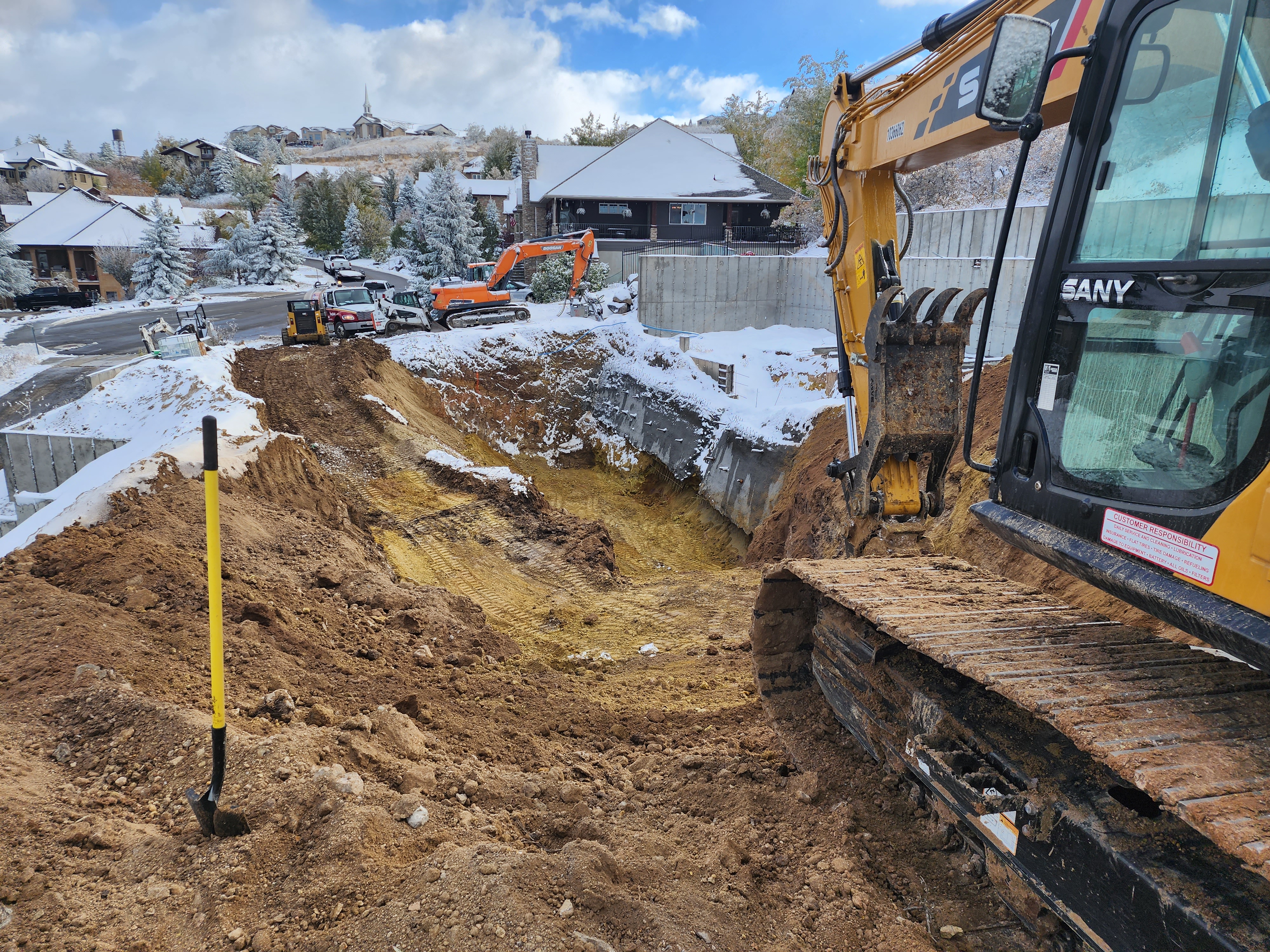
Excavation Essentials: Techniques for Today’s Builders
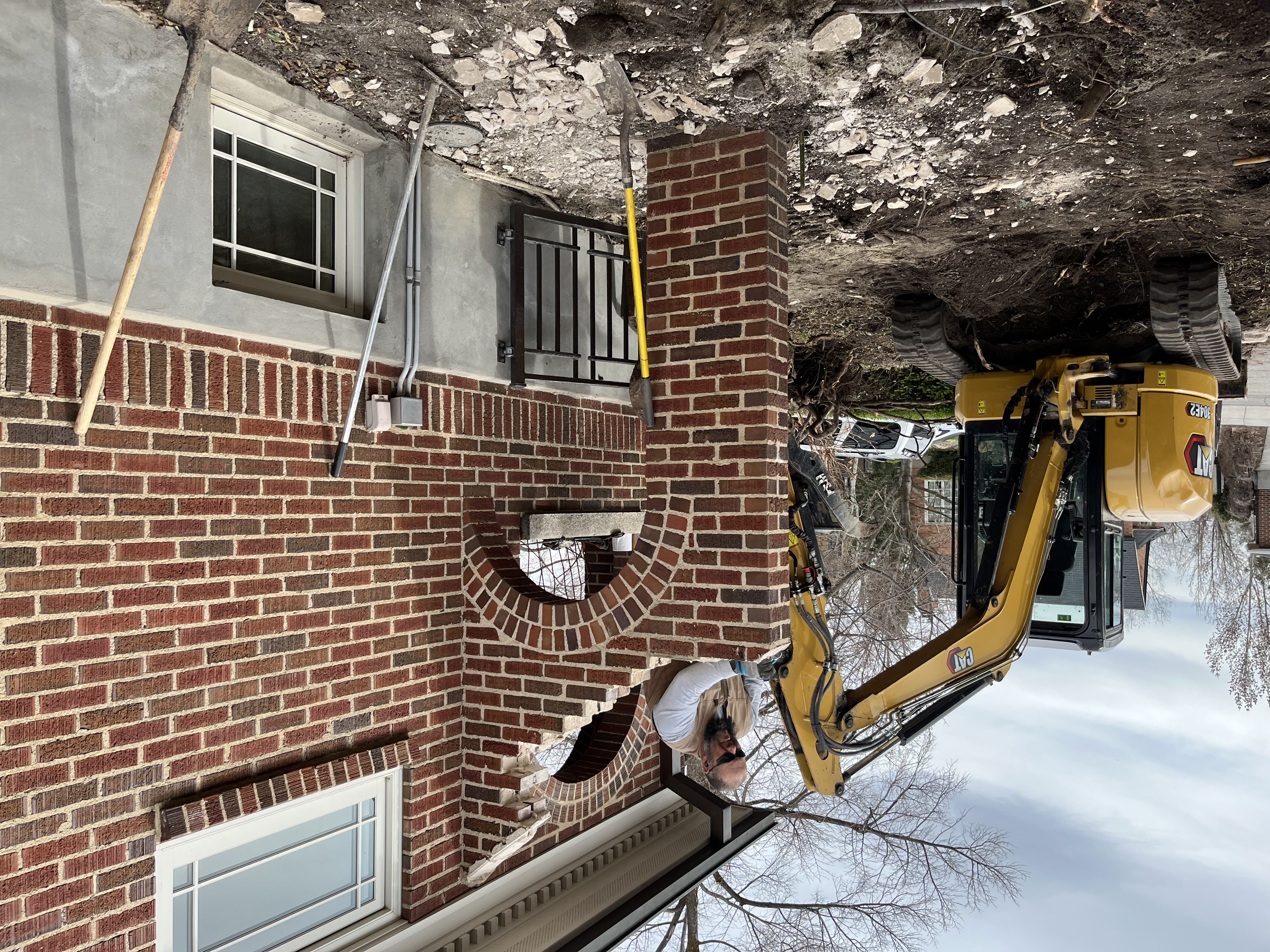
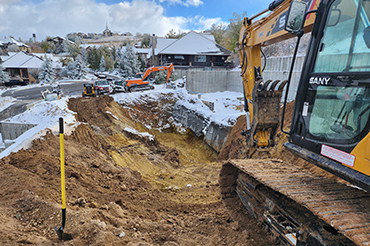
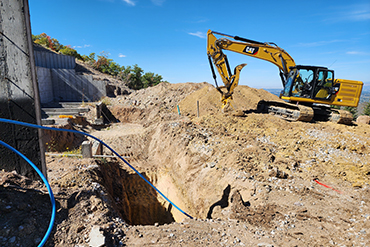
Start with an engaging overview of the importance of excavation in construction, setting the stage for an exploration of modern techniques, equipment, and best practices. Highlight how excavation work lays the groundwork for successful construction projects.
Different Types of Excavation Work
- Topsoil Excavation: Explain the process and purpose of removing the top layer of soil, primarily for landscaping or agricultural projects.
- Earth Excavation: Discuss the removal of the layer of soil beneath the topsoil to create foundations for buildings and bridges.
- Rock Excavation: Describe the challenges and techniques involved in removing rock to make way for construction.
- Muck Excavation: Introduce muck as a combination of water and soil, explaining how it’s removed or spread out to dry.
- Cut and Fill: Cover this technique used in leveling and grading land by cutting out parts of a hill and using the soil to fill lower areas.
Equipment Used in Modern Excavation
- Excavators: Detail the types and sizes of excavators used in different excavation projects.
- Bulldozers: Explain how bulldozers are utilized for moving soil and clearing land.
- Backhoe Loaders: Describe the dual function of backhoe loaders in digging and transporting soil.
- Trenchers: Introduce trenchers for digging narrow trenches for pipes and cables.
Mention advancements in GPS and laser-guided systems for precision in excavation work.
Safety Protocols
- Personal Protective Equipment (PPE): List the essential PPE for excavation work, including helmets, gloves, and visibility vests.
- Trench Safety: Discuss the importance of trench boxes and shoring to prevent collapses.
- Training and Supervision: Highlight the need for comprehensive training and experienced supervision on excavation sites to ensure safety.
- Emergency Preparedness: Cover the protocols for responding to accidents and emergencies during excavation projects.
The Environmental Impact of Excavation
- Soil Erosion and Sedimentation: Explain how improper excavation can lead to soil erosion and negatively affect water quality.
- Habitat Disruption: Discuss the impact of excavation on local wildlife and vegetation.
- Noise and Dust Control: Highlight methods to minimize noise and dust from excavation work.
- Sustainable Practices: Introduce sustainable excavation practices, like minimizing land disturbance and recycling excavated materials.
Conclusion
Conclude by emphasizing the critical role of careful planning, modern technology, and adherence to safety and environmental standards in modern excavation work. Encourage builders to continuously update their knowledge and practices in line with industry advancements and regulatory requirements.